
Transform Your Guitar’s Voice with a Quality Guitar Bracewood Set

Every guitar has a story hidden inside it. Beyond the gleaming finish, exotic tops, and polished frets lies the subtle architecture that gives the instrument its soul: the bracing. The unseen framework of acoustic guitar bracewood isn’t just about keeping the top from collapsing; it is the heart of how a guitar breathes and sings. Choosing a high-quality guitar bracewood set can completely transform tone, projection, and responsiveness — turning an ordinary guitar into one that truly speaks to both player and audience.
The Secret Role of Guitar Bracewood
Strength Meets Sound
The primary job of guitar bracewood is structural: without it, the thin top plate would bow and crack under the pressure of the strings. Yet bracewood is far from just practical. It governs how vibrations spread across the top, influencing sustain, clarity, and tonal balance.
A Hidden Tone Shaper
Unlike body tonewoods that are chosen for visible beauty, bracewood is selected for its mechanical and acoustic properties. The stiffness-to-weight ratio is critical. A dense bracewood stiffens the top, tightening sound and projection, while lighter bracing encourages openness, warmth, and sensitivity.

The Wood Behind the Sound
When builders talk about the “voice” of a guitar, they often highlight the top wood, yet the material used for bracing quietly steals much of the instrument’s character. Choosing high-quality acoustic guitar bracewood can mean the difference between a guitar that projects brightly across a crowded room and one that sings with warmth in an intimate setting.
Spruce has long been the preferred option for bracing because of its unique balance of stiffness and lightness. Within that family, certain spruces have earned reputations for shaping tone in distinct ways.
For example:
Some spruce bracewood delivers crisp articulation and reliability, making it ideal for large-scale production where consistency is key.
Other spruce variants emphasize rich overtones and warmth, rewarding players who value subtlety and dynamic expression.
Boutique builders often favor bracewood that enhances nuance and sensitivity, allowing their instruments to respond beautifully to even the lightest touch.
Beyond species, the finer details of the wood matter just as much:
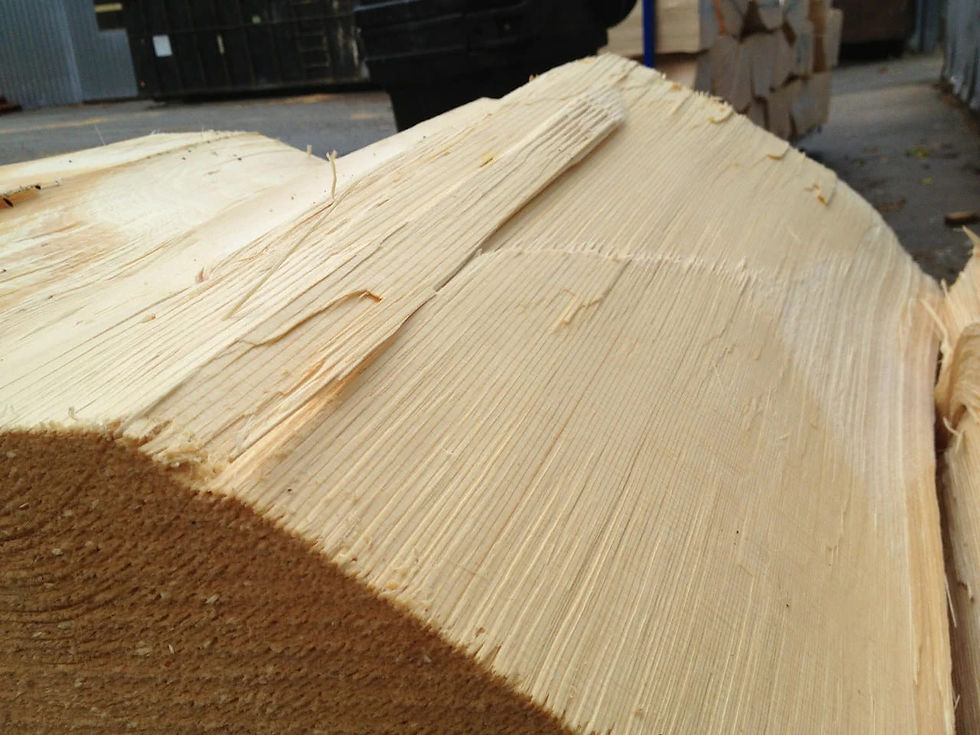
A guitar bracewood kit with straight, uniform grain ensures the soundboard vibrates freely and evenly.
Tight-grained wood not only improves resonance but also adds long-term stability, resisting warping under string tension.
Poorly chosen or uneven bracewood may still hold structure but can dampen tone and projection, limiting the guitar’s potential.
In short, bracewood isn’t about looks — it’s about performance. The right selection allows the top of the guitar to vibrate with freedom and balance, unlocking the full potential of the instrument’s tone.

Bracewood and the Player’s Experience
How It Shapes Resonance
Bracewood acts like the lungs of the guitar. With flexible bracing, the top moves more freely, creating big resonance and a room-filling voice. With stiffer braces, the notes may be more defined and cutting, perfect for musicians who need clarity in ensemble settings where every note must serve the music with reliability of sound service.
Playability and Feel
It’s easy to underestimate how bracing influences “feel.” A lightly braced guitar responds to the softest touch, rewarding delicate players with rich tones at low volume. Heavier bracing requires more energy but resists distortion under heavy attack, making it ideal for aggressive strummers and performers in loud environments.
Bracing Patterns and Bracewood in Action
The Partnership Between Pattern and Material
While a guitar bracewood set determines tonal character, the bracing pattern defines how those qualities are distributed. For instance, X-bracing paired with Sitka spruce provides balance and projection, while the same pattern with Lutz spruce enhances harmonic content.
Exploring Alternatives
Fan Bracing – Common in classical guitars, it allows for fluid, lyrical tones when paired with lighter bracewoods.
Ladder Bracing – Vintage blues guitars used this system, and the bracewood choice influences whether the tone leans raw and woody or more articulate.
Modern Innovations – Contemporary luthiers experiment with hybrid bracing, often combining Sitka and Lutz spruce within the same instrument for a tailored response.
Why Quality Bracewood Sets Make a Difference
Benefits You’ll Notice Immediately
A premium guitar bracewood set can elevate an instrument in ways players can hear and feel:
Greater Projection – Notes carry farther with clarity.
Improved Dynamics – Subtle nuances in playing are better translated.
Balanced Tone – Bracewood stabilizes frequencies, reducing muddiness.
Longevity – High-quality bracewood resists warping, ensuring the guitar ages gracefully.
Trusting the Source
Because bracewood is invisible once installed, players rely on reputable suppliers and luthiers. Providers like Pacific Rim Tonewoods supply carefully harvested and prepared bracewood, ensuring consistency in stiffness, grain, and tonal potential. For many in the music business, this level of attention to detail is what separates an average guitar from one that inspires creativity for decades.
FAQs About Guitar Bracewood
What exactly is included in a guitar bracewood set?
A guitar bracewood set typically contains pre-cut or raw strips of high-grade wood intended for use as internal braces. They are selected for strength, grain quality, and tonal contribution.
Is Sitka spruce bracewood better than Lutz spruce bracewood?
Neither is strictly “better” — Sitka spruce offers clarity and versatility, while Lutz spruce bracewood provides warmth and complexity. The right choice depends on your tonal goals and playing style.
Can bracewood really change the way a guitar feels to play?
Yes. The stiffness and weight of the acoustic guitar bracewood influence responsiveness. Light bracing makes the guitar feel more sensitive to a gentle touch, while heavier bracing offers power and stability.
Should beginners worry about bracewood?
Beginners don’t need to obsess over bracewood when buying their first guitar, but understanding it helps explain why two guitars made from the same top wood can sound very different.
Where can I find a reliable guitar bracewood kit?
The trusted tonewood specialists like Pacific Rim Tonewoods supply bracewood kits that meet professional standards, ensuring your build or upgrade results in consistent tonal quality.

Conclusion
The magic of an acoustic guitar doesn’t just come from the woods you see — it comes from the guitar bracewood set hidden inside. From the crisp, versatile sound of Sitka spruce bracewood to the rich, dynamic character of Lutz spruce bracewood, bracewood determines how your guitar responds, resonates, and inspires. Whether you’re a luthier building from a guitar bracewood kit or a guitarist curious about what makes your instrument sing, Sitka spruce bracewood is the invisible force shaping every note. Choosing high-quality bracewood ensures your guitar not only sounds great today but continues to improve with age.


Comments